
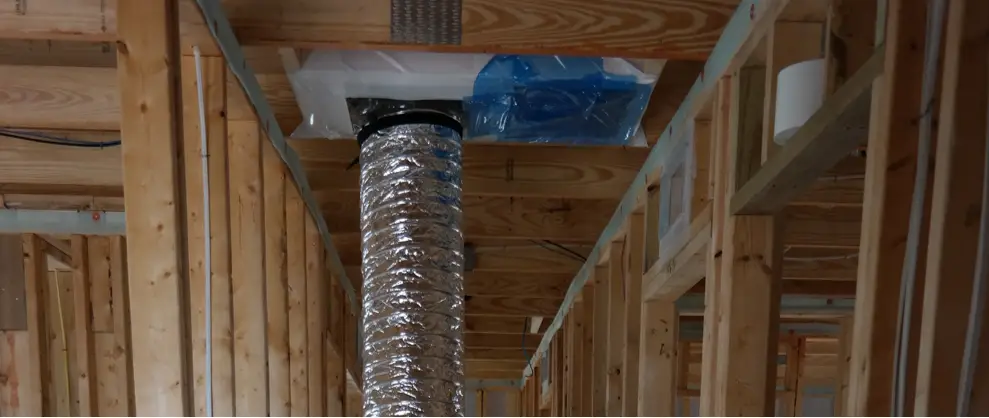
Watch a video about air leakage testing for home inspectors. This webinar helps home inspectors understand what the role of an energy auditors, as well as attempt to assist home inspectors in an additional revenue stream. This video will also cover new upcoming trends within the industry.https://youtu.be/BLI7sKY0stc
Why Air Leakage Testing Matters for Home Inspectors
Energy Auditors and HERS Raters use blower-door or duct leakage tests to assess a home’s airtightness—critical for diagnosing performance, comfort, and energy efficiency.
Home inspectors can benefit by partnering with auditors—or offering basic pre-test setup, test prep, or reporting services—as a complementary revenue stream.
The webinar highlights how inspectors can evolve into energy audit collaborators, enhancing their value without having to perform full audits.
What Home Inspectors Should Know
Role of an Energy Auditor vs. Home Inspector
Energy Auditors conduct quantitative testing: blower-door, duct leakage, insulation inspection, and HVAC balance testing.
Home Inspectors focus primarily on structural, systems, and safety observations.
But inspectors can support audits by preparing homes—sealing registers, documenting installation conditions, or capturing photos/videos of leak sources before testing.
Potential Revenue Streams for Inspectors
Offer energy audit prep services, such as register sealing, door fan barrier installation, insulation documentation, or test equipment staging.
Provide follow-up reports or sealing verification after remediation to demonstrate improvements.
Sell test-ready packages to homeowners—documented walkthrough plus post-sealing reinspection.
Emerging Industry Trends
Increased code adoption: States across the U.S. are progressively mandating blower-door or duct leakage verification (beyond Title 24 and IECC).
Remote and virtual review: Tools like Retrotec GaugeRemote or Virtual Gauge allow auditors to supervise testing remotely—creating opportunities for inspectors to capture live onsite data.
Integrated systems: Tools like DM‑32 with built-in logging support easy compliance, reporting, and QA workflows without expensive software licensing.
How Inspectors Can Support Testing
Ensure register sealing: Tape off or plug supply/return grills to prevent bypass air during testing.
Document baseline conditions: Photograph duct access doors, insulations state, or envelope gaps.
Maintain test prep logs: Note HVAC status, doors/windows closed, ambient conditions, and HVAC shutdown times.
Summary Table
| Topic | Inspector Opportunity |
|---|---|
| Energy audit prep | Seal registers, prepare staging, document preconditions |
| Post-remediation verification | Re-check tightness to show improvement |
| Remote audit support | Assist with live video flow-checks or gauge readings |
| Fee-based testing package | Offer baseline + re-check bundle for homeowners |
